
See Our Blogs
Take a look at what's on our minds and let us know what you think. Your feedback is Appreciated.
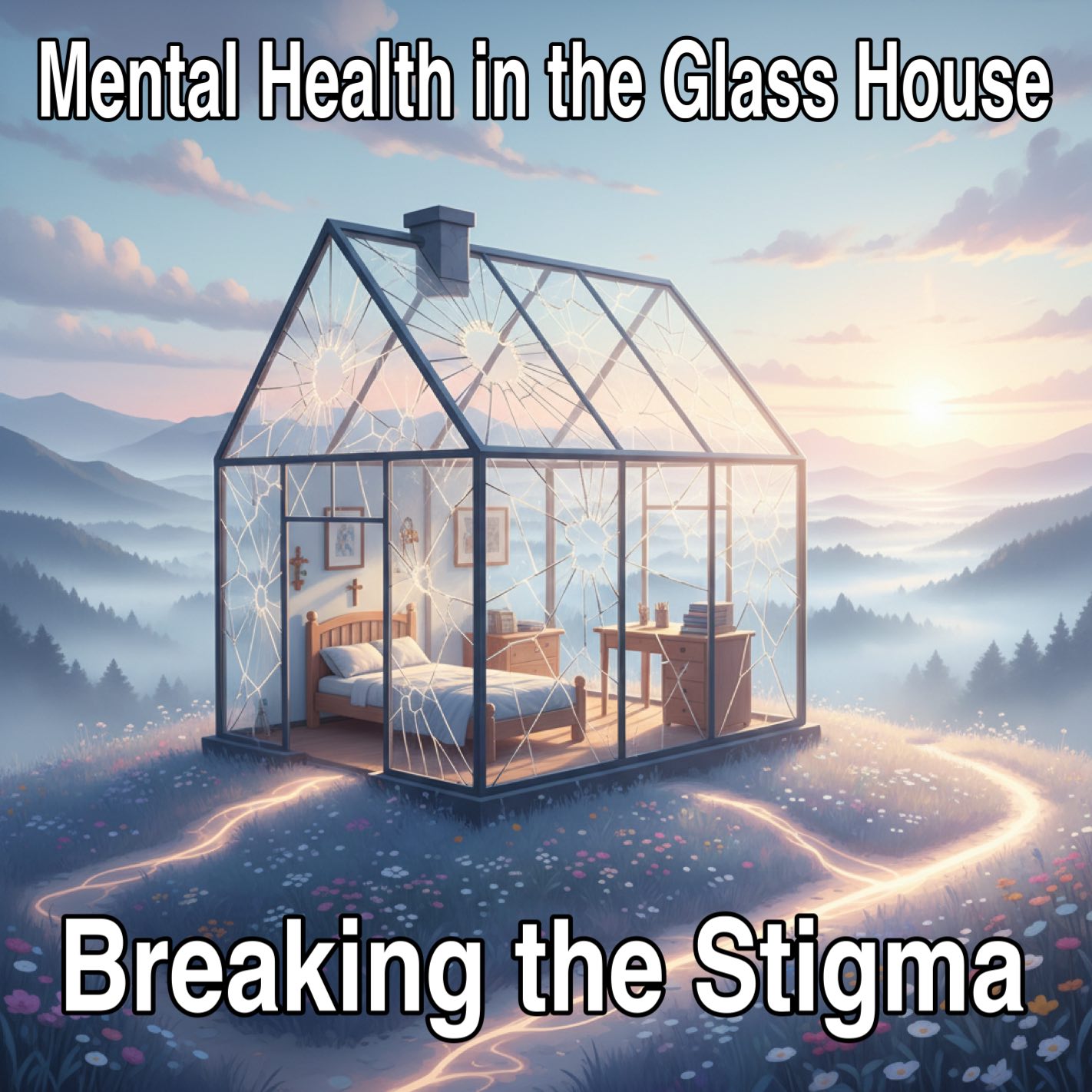
Mental Health in the Glass House: Breaking the Stigma
Mental Health in the Glass House: Breaking the Stigma
You know the feeling of a hundred eyes watching your every move. Growing up as a preacher’s kid means living in a glass house where your greatest struggles are often broadcast to a congregation expecting perfection. The pressure to smile, perform, and model an unwavering faith leaves very little room for your actual humanity. When you spend your formative years managing the emotional comfort of an entire sanctuary, your own mental health easily becomes the collateral damage.
The religious environment frequently misunderstands mental health. You may have absorbed the toxic message that anxiety is simply a lack of faith, or that depression can be cured by praying just a little bit harder. These unspoken rules force you to bury your pain beneath a polished veneer of spiritual strength. You learn to carry a heavy, silent burden just to protect your family's ministry and reputation.
But you cannot heal in the same shadows that hurt you. This post will explore the profound mental health challenges unique to the glass house experience. We will dismantle the religious stigma surrounding emotional struggle and provide practical, actionable strategies for prioritizing your well-being. It is time to take the raw grit of your past and reshape it into a solid foundation for genuine, lasting peace.
The Crushing Weight of Public Scrutiny
Living on the front row means your personal development happens on a public stage. A congregation does not just watch you grow up; they actively evaluate your progress. They expect your behavior to validate your parents' spiritual authority. This relentless scrutiny forces you to construct a heavy armor of perfectionism just to survive the weekly church services.
This environment exacts a massive toll on your nervous system. You learn to suppress natural human emotions like anger, sadness, or confusion because those feelings might make the church uncomfortable. You master the art of reading a room and adjusting your personality to keep the peace. While this adaptability keeps you safe in the moment, it eventually disconnects you from your own internal reality.
When you constantly perform for an audience, exhaustion inevitably follows. The anxiety of potentially ruining your family's legacy creates a persistent, low-grade trauma. Acknowledging this intense pressure is the vital first step toward reclaiming your mind. You must validate the very real emotional cost of your upbringing before you can begin the brave work of healing.
Dismantling the Spiritual Stigma
The greatest barrier to healing in the glass house is the deep-seated stigma surrounding mental health care. Many church cultures frame emotional struggles as a spiritual failure. You were likely taught that Jesus is the only counselor you need. When you internalize this narrative, asking for professional help feels like a direct betrayal of your faith and your family.
We must break this toxic lie completely. Experiencing depression, anxiety, or burnout does not mean your faith is weak. It simply means you are a human being navigating a profoundly overwhelming environment. Seeking treatment for your mind is no different than seeking a doctor for a broken bone.
Your emotional health and your spiritual calling are not mutually exclusive. In fact, true spiritual maturity requires profound emotional health. When you decide to step outside the religious echo chamber and ask for real help, you are not abandoning your faith. You are actively choosing to survive. You are demonstrating a fierce, holy resilience that the religious system often fails to understand.
Practical Strategies for Emotional Well-Being
Healing from the unique trauma of the glass house requires deliberate, intentional action. You cannot wait for the congregation to give you permission to rest. You must take absolute ownership of your emotional well-being. Here are practical ways to untangle your mental health from religious expectations and build a life of genuine peace.
Embrace the Power of Professional Therapy
Therapy offers a confidential, neutral space where you do not have to protect anyone's reputation. Finding a licensed mental health professional—specifically one trained in religious trauma or family systems—can completely change the trajectory of your life. A good therapist will help you safely unpack the heavy baggage of the front row.
Do not let guilt keep you from making that first appointment. You spent your entire childhood managing the emotions of adult church members. You absolutely deserve an hour a week dedicated entirely to your own healing. Therapy provides the essential tools to tear down your heavy armor and rebuild a beautiful, authentic life.
Build a Safe Support System
You need a community that understands your deep scars but refuses to let you stay stuck in the past. The sanctuary where you grew up may not be the safest place to process your mental health journey. You must actively seek out a new tribe of people who respect your boundaries and offer genuine, unconditional grace.
Look for support groups, online communities, or friends who have also navigated the complexities of high-demand religious environments. Surround yourself with individuals who value your raw vulnerability over your ability to perform. When you gather with people who share your grit and resilience, you create an unstoppable momentum toward healing.
Practice Fierce Self-Compassion
You were conditioned to extend infinite grace to a demanding congregation while demanding absolute perfection from yourself. It is time to redirect that compassion inward. Healing from religious trauma is a messy, non-linear process. You will have days where the anxiety feels overwhelming, and that is perfectly okay.
Speak to yourself with the same profound kindness you would offer a hurting friend. Give yourself the permission to rest without needing a spiritual justification. Celebrate the small victories, like setting a hard boundary or simply choosing to breathe through a panic attack. Fierce self-compassion disarms the inner critic installed by the religious system.
Reclaiming Your Generational Anointing
Breaking the stigma of mental health is the ultimate act of reclaiming your generational anointing. You grew up with a front-row seat to both profound miracles and heartbreaking human failure. You witnessed the quiet pain that happens when people pretend to be perfect.
Because you understand the heavy burden of the glass house, you carry a fierce, hard-won empathy. You know exactly how to offer safe, non-judgmental spaces to hurting people. When you prioritize your own mental health, you transform your deepest scars into your greatest strength. You break the generational cycle of silent suffering.
Your unique calling does not require you to sacrifice your sanity on the altar of ministry. Your true anointing flourishes only when your mind and soul are healthy.
Step Boldly Into Your Healing
You survived the intense scrutiny, the unspoken rules, and the crushing expectations of the glass house. You carried the heavy weight of the sanctuary for far too long. You no longer have to play the role of the perfect preacher's kid.
You possess the unshakeable strength to drop the heavy mask and confront the shadows. Trust the profound resilience running through your veins. Choose to prioritize your mental health, break the religious stigma, and build a beautiful life that feels genuinely yours. It is time to step boldly into the bright light of your own healing and claim the brilliant freedom you have always deserved.

Miss Sherrie B.
Atlanta, GA

"I am really impressed with the functionality. The system is easy to use and easy to navigate. I like that it consolidates many of the marketing services we use into one location."
Miss. V.C
Louisville, KY
"OMG... this is the most user friendly application I have ever encountered! In a nutshell!"
Dr. Lydia N
West Memphis, AR
"Wow! It's great to finally have everything in one place. This puts me in the driver seat as the administrator and makes my job much easier. Love it!"
Get In Touch
Email: [email protected]
Address
Office: 8101 Boat Club Rd. STE 240 #252
Assistance Hours
Mon – Sat 9:00am – 8:00pm
Sunday – CLOSED
Phone Number:
(817) 242-2434

The Next Level of CRM Innovation
Get in the know, with Church in the Know!
© 2026 Church In The Know - All Rights Reserved,